
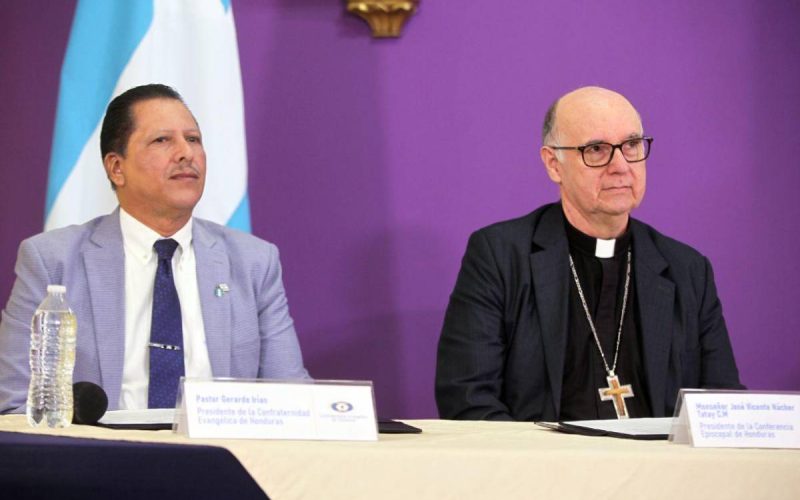
The rally arranged by multiple churches across the nation gathered a multitude of people who voiced their opposition to the political initiative advocated by the Libertad y Refundación (LIBRE) party. The occasion, occurring in a tranquil setting, was viewed by wide segments of the population as a public protest against the present political course, and it initiated a new phase in the interaction between religious entities and governmental authority.
Widespread involvement and refusal of governmental plans
The demonstration, involving Catholic and Evangelical believers, focused on opposing what they perceive as a socialist political framework. As stated by the organizers, the rally aimed to alert about potential threats to democracy and individual freedoms. The magnitude of the participation has been seen as a sign of the extent of dissatisfaction within specific segments of the population, especially those associated with religious groups.
Reactions to boycott attempts
Reports in local media and by religious leaders indicated that the ruling party had attempted to limit the scope of the march through roadblocks, intimidation, and disinformation campaigns. Although these allegations have not been officially confirmed, they became part of the public debate and helped reinforce the narrative of resistance to the government.
The ultimate outcome revealed that these tactics did not deter a large turnout, thereby amplifying the event’s symbolic and political significance.
Political and institutional implications
The march underscored the ability of churches to mobilize, solidifying their status as influential players within the political environment of Honduras. This prompts inquiries about the function of religious groups in democratic discussions and the line separating social involvement from political lobbying. For the LIBRE party, the event illustrated the degree of resistance encountered in various segments of society. It also revealed the governing party’s challenges in restraining public demonstrations amid significant political division.
An evolving terrain
The creation of this demonstration showcases a scenario characterized by conflicts among the government, religious entities, and the public. In the immediate future, the event might influence the political landscape, affecting both the formation of social coalitions and the governing party’s capability to maintain its agenda.
The episode confirms that governance in Honduras is closely linked to the interaction between various social and political actors, which anticipates a scenario of intense debate surrounding the country’s institutional direction.


